


Artificial Intelligence (AI), commonly referred to as AI, has become one of the most transformative technologies in the modern business landscape. In 2026, organizations across industries are increasingly adopting Artificial Intelligence to improve efficiency, enhance customer experiences, and gain a competitive advantage. From automating routine tasks to analyzing massive datasets, Artificial Intelligence is reshaping how businesses operate and make decisions.
One of the key reasons AI is becoming essential for business growth is its ability to process and analyze large amounts of data. In the digital era, data is one of the most valuable assets a company can possess. However, without advanced technology, it can be difficult to extract meaningful insights from complex datasets. AI-powered systems can analyze patterns, predict trends, and generate insights that support strategic decision-making.
Artificial Intelligence also plays a critical role in improving customer experiences. Businesses can use AI-driven tools to understand customer preferences, personalize marketing campaigns, and provide faster support through automated systems such as chatbots and virtual assistants. These capabilities help organizations build stronger relationships with their customers and increase brand loyalty.
Furthermore, Artificial Intelligence supports innovation by enabling companies to experiment with new ideas and technologies. Businesses that embrace Artificial Intelligence strategies can develop smarter products, optimize their operations, and respond more effectively to changing market conditions. This flexibility is essential in a world where digital transformation is accelerating rapidly.
As Artificial Intelligence technology continues to advance, companies must develop strategic approaches to integrate it into their operations effectively. In this article, we will explore key Artificial Intelligence strategies that are transforming business growth in 2026 and helping organizations thrive in the digital economy.
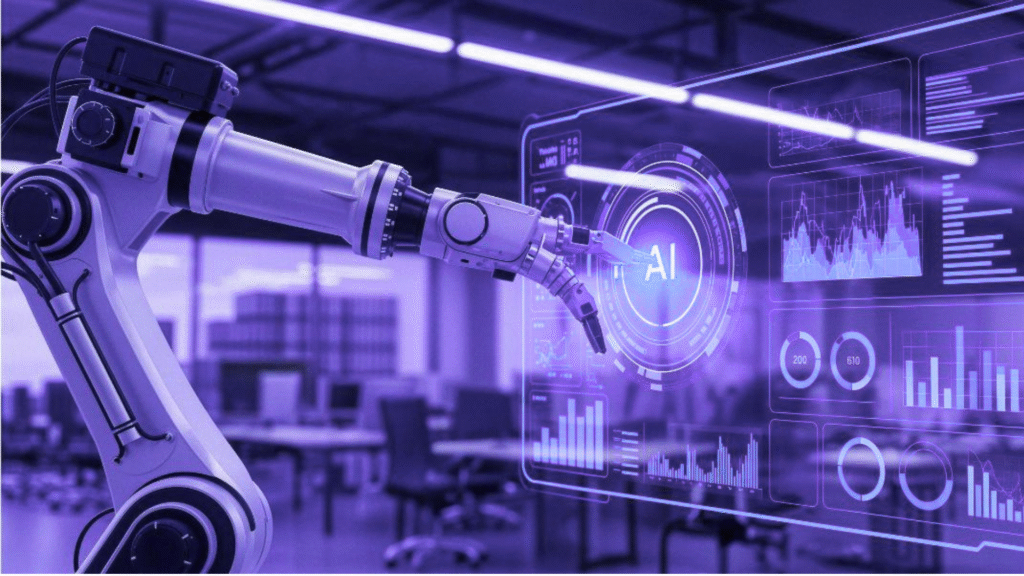
1. AI-Powered Data Analytics for Smarter Decision-Making
One of the most powerful applications of Artificial Intelligence in modern business is data analytics. Organizations generate enormous amounts of data every day from customer interactions, sales transactions, website activity, and operational processes. Without advanced tools, analyzing this data can be extremely challenging.
AI-powered analytics systems allow businesses to process large datasets quickly and identify meaningful patterns. These systems use machine learning algorithms to detect trends and provide actionable insights that support strategic decisions. For example, companies can analyze customer behavior to understand purchasing patterns and tailor their marketing strategies accordingly.
Another advantage of AI-driven analytics is predictive capability. Artificial Intelligence models can forecast future trends based on historical data, allowing businesses to prepare for market changes and anticipate customer needs. This predictive power helps organizations make proactive decisions rather than reacting to problems after they occur.
Furthermore, by implementing Artificial Intelligence analytics solutions, businesses gain deeper insights into their operations and customers. These insights improve planning, enhance efficiency, and ultimately drive sustainable growth.
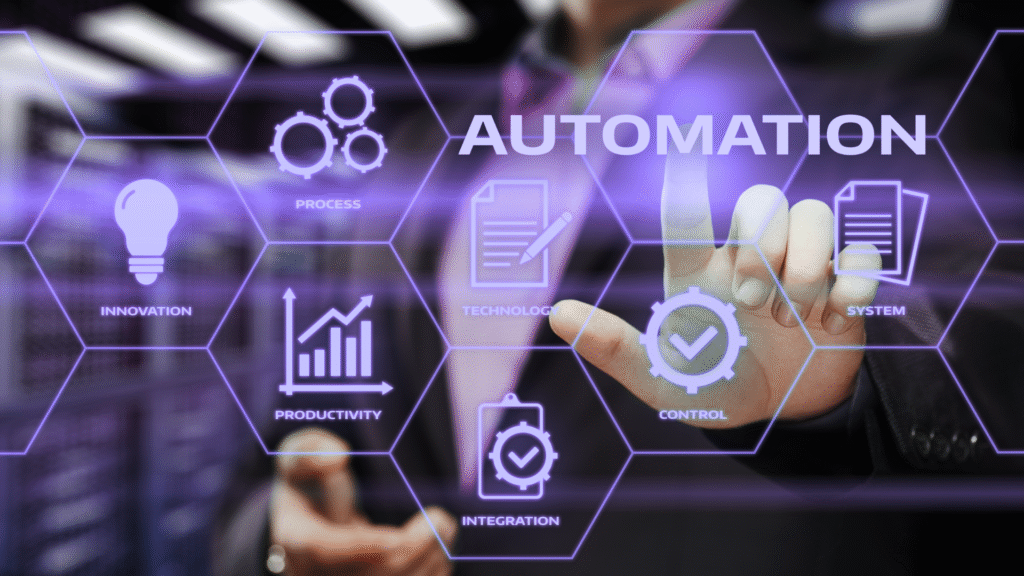
2. AI Automation for Increased Operational Efficiency
Automation is another critical Artificial Intelligence strategy that is transforming business operations. Many organizations spend significant time and resources on repetitive tasks such as data entry, scheduling, inventory tracking, and customer inquiries. AI automation tools can perform these tasks quickly and accurately.
By automating routine processes, businesses reduce human error and increase productivity. Employees can focus on more complex and creative tasks that contribute directly to innovation and strategic development. This shift not only improves efficiency but also enhances employee satisfaction by reducing monotonous workloads.
AI automation also improves workflow management. Intelligent systems can monitor processes, identify bottlenecks, and suggest improvements. For example, Artificial Intelligence can optimize supply chain operations by analyzing inventory levels, predicting demand, and recommending efficient distribution strategies.
Companies that adopt Artificial Intelligence automation often experience faster operations, reduced costs, and improved overall performance. As a result, automation has become a key component of successful Artificial Intelligence strategies in modern business environments.

3. AI-Driven Customer Experience and Personalization
Customer expectations have evolved significantly in the digital age. Modern consumers expect personalized experiences, quick responses, and seamless interactions with brands. Artificial Intelligence technology enables businesses to meet these expectations by delivering highly personalized services.
Artificial Intelligence systems can analyze customer data such as browsing behavior, purchase history, and engagement patterns. Using this information, businesses can create personalized recommendations, targeted marketing campaigns, and customized product offerings.
Chatbots and virtual assistants are another important example of AI-driven customer experience. These tools provide instant responses to customer inquiries, guide users through various processes, and offer support at any time of the day. This improves customer satisfaction while reducing the workload on customer service teams.
Personalization also strengthens customer relationships. When customers receive content and recommendations that match their preferences, they are more likely to engage with the brand and remain loyal over time.
By integrating Artificial Intelligence into customer experience strategies, businesses can create meaningful interactions that build trust and encourage long-term loyalty.

4. AI Innovation in Product and Service Development
Artificial Intelligence is not only improving existing processes but also enabling businesses to develop innovative products and services. Companies can use Artificial Intelligence technology to analyze market trends, identify customer needs, and design solutions that address emerging demands.
For example, AI-driven research tools can analyze customer feedback, social media discussions, and industry data to identify opportunities for new product development. Businesses can then use these insights to create offerings that align with market expectations.
Artificial Intelligence also enhances product design through simulation and predictive modeling. Companies can test different concepts digitally before launching them in the market. This reduces development costs and increases the chances of success.
Another area where Artificial Intelligence supports innovation is in smart products and services. Many modern devices now incorporate Artificial Intelligence capabilities that allow them to learn from user behavior and improve functionality over time. Examples include intelligent home systems, recommendation engines, and predictive maintenance tools.
Organizations that embrace Artificial Intelligence innovation can stay ahead of competitors by continuously improving their offerings and delivering greater value to customers.
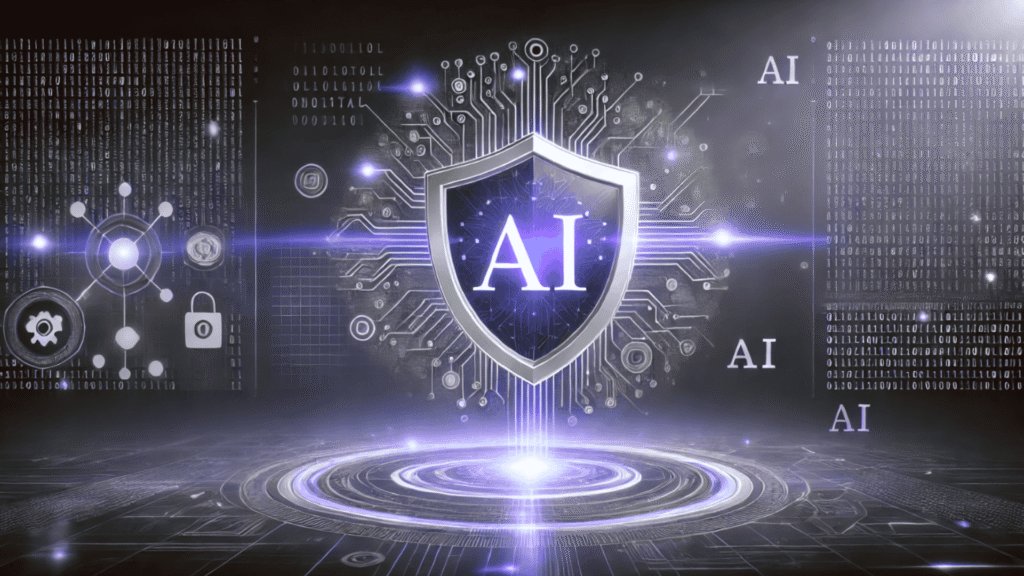
5. AI-Enhanced Cybersecurity and Risk Management
As businesses become more digital, protecting sensitive information and maintaining secure systems has become a critical priority. Cyber threats are becoming more sophisticated, making traditional security methods less effective. Artificial Intelligence provides advanced solutions that help organizations strengthen their cybersecurity defenses.
AI-powered security systems can monitor networks in real time and detect unusual activity that may indicate potential threats. Machine learning algorithms analyze patterns and identify anomalies that human analysts might overlook. This allows businesses to respond quickly to cyber attacks and minimize potential damage.
Another advantage of Artificial Intelligence in cybersecurity is automated threat detection and response. Artificial Intelligence systems can isolate suspicious activity, block malicious software, and alert security teams before a threat spreads through the network.
Artificial Intelligence also supports risk management by analyzing potential vulnerabilities and recommending improvements. Businesses can use these insights to strengthen their security infrastructure and ensure compliance with regulatory requirements.
By integrating Artificial Intelligence into cybersecurity strategies, organizations protect their digital assets and maintain the trust of their customers.
Conclusion
Artificial Intelligence is rapidly transforming the way businesses operate, compete, and grow. In 2026, organizations that embrace Artificial Intelligence strategies are gaining significant advantages in efficiency, innovation, and customer engagement. From advanced data analytics to automation and personalized customer experiences, Artificial Intelligence technologies provide powerful tools that support smarter decision-making and sustainable growth.
However, successful Artificial Intelligence adoption requires careful planning and strategic implementation. Businesses must evaluate their goals, identify appropriate technologies, and ensure that their workforce is prepared to work with AI-driven systems. Continuous learning and adaptation are essential as Artificial Intelligence technology continues to evolve.
Organizations that integrate Artificial Intelligence into their core strategies will be better equipped to navigate the complexities of the modern digital economy. By leveraging Artificial Intelligence solutions effectively, companies can improve productivity, enhance customer satisfaction, and create innovative products and services that meet the demands of a rapidly changing marketplace.
Ultimately, Artificial Intelligence is not just a technological advancement; it is a catalyst for transformation. Businesses that recognize its potential and implement it strategically will be well positioned to achieve long-term success and sustainable growth.
About Numrex
Numrex is committed to helping businesses navigate the rapidly evolving digital landscape by providing insights, strategies, and innovative solutions that drive growth and efficiency. With a strong focus on technology, digital transformation, and modern business practices, Numrex empowers organizations to adapt to new challenges and seize emerging opportunities.
Through research-driven knowledge and practical guidance, Numrex supports businesses in implementing effective strategies that enhance performance and competitiveness. From digital marketing and business optimization to emerging technologies such as Artificial Intelligence, Numrex provides valuable resources that help organizations stay ahead in a dynamic market environment.
As the future of business continues to be shaped by technological innovation, Numrex remains dedicated to delivering forward-thinking insights that support sustainable growth. By helping organizations understand and implement modern strategies, Numrex contributes to building stronger, smarter, and more innovative businesses worldwide.